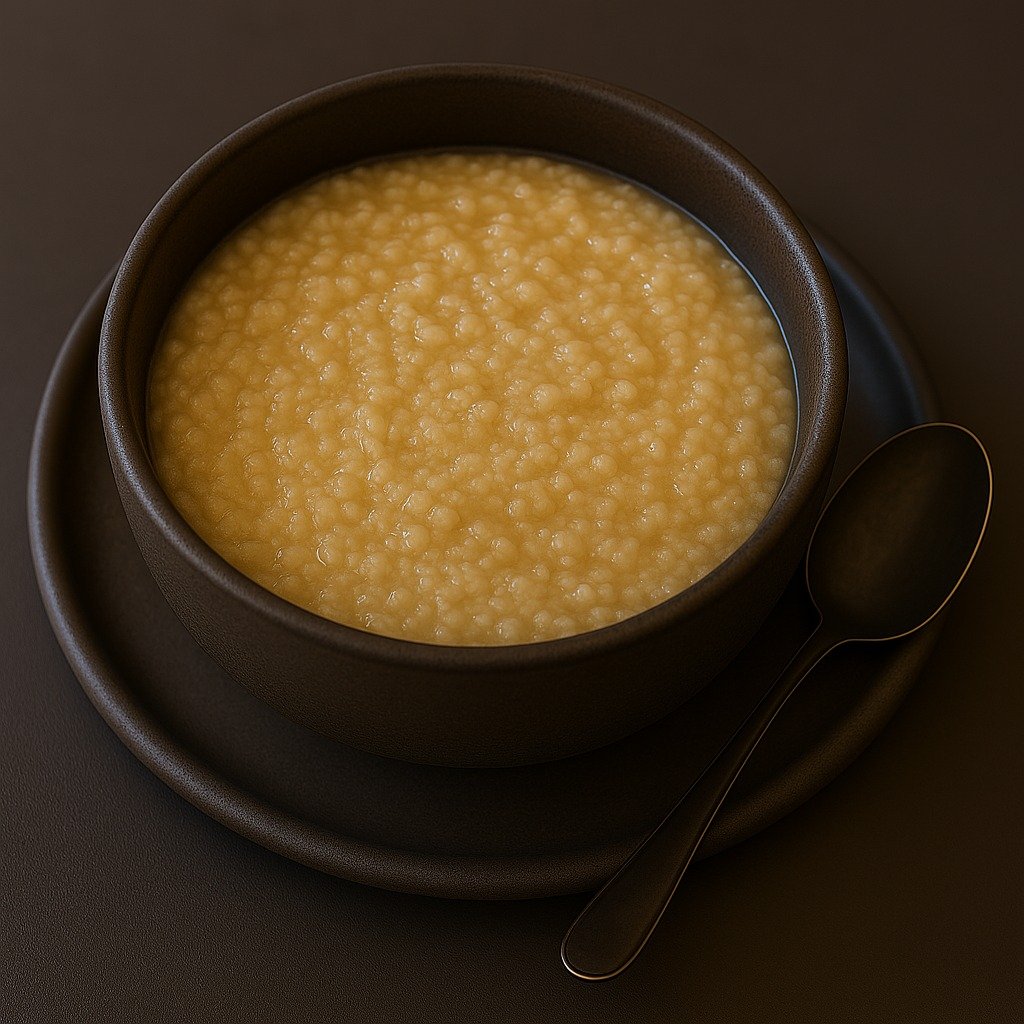
Broken wheat porridge, also known as daliya, is a wholesome and nourishing dish made from cracked or coarsely ground wheat grains. It is a traditional staple in many Indian households, cherished for its simplicity, versatility, and health benefits. Whether served sweet with milk and jaggery or savoury with spices and vegetables, broken wheat porridge offers a comforting and filling meal suitable for all ages. Rich in fiber, easy to digest, and packed with energy, it’s especially favoured during recovery, for growing children, or as a light yet satisfying breakfast or dinner option.
What Is Broken Wheat Porridge (Without Dal)?
This dal-less version of broken wheat porridge is light, warm, and soft, making it ideal for mild Vata–Kapha pacification, and gut recovery. It’s especially useful when you want a meal that is sattvic, simple, and quick to prepare.
How to Make Broken Wheat Porridge (Without Dal) : The Traditional Way
🛒 Ingredients:
- Broken wheat (dalia) – ½ cup
- Water – 2 to 2½ cups
- Ghee – 1 tsp
- Mustard seeds – ½ tsp
- Cumin seeds – ½ tsp
- Grated ginger – ½ tsp
- Curry leaves – 6–8
- Hing (asafoetida) – a pinch
- Turmeric – ¼ tsp
- Carrots, beans – ½ cup chopped
- Rock salt – to taste
- Black pepper (optional) – a pinch
- Coriander leaves – few, for garnish
🥣 Method:
- Roast the Dalia:
- In a dry pan, lightly roast broken wheat until aromatic. Keep aside.
- Cook the Dalia with Vegetables:
- In a pan or pressure cooker, add roasted dalia, turmeric, salt, chopped vegetables, and water.
- Cook until soft and slightly porridge-like (2–3 whistles in pressure cooker, or 15–20 minutes in a pan).
- Prepare the Tempering:
- In a small pan, heat ghee. Add mustard seeds, cumin seeds, ginger, curry leaves, hing, and a pinch of pepper.
- Add Tempering to the Porridge:
- Pour the hot tempering into the cooked porridge. Stir well. Let simmer for 1–2 minutes.
- Garnish and Serve:
- Add chopped coriander if desired. Serve warm with a spoon of ghee or a bowl of diluted buttermilk.
🌿 Ayurvedic Benefits
- Improves Digestion Without Overstimulating Agni
- Broken wheat is madhura (sweet) and sheeta-ushna-mishrita (moderately heating and cooling), helping regulate digestion gently.
- Cooking with ghee and digestive spices like ginger, cumin, and black pepper makes it deepana (appetite-stimulating) and pachana (digestant).
- Balances Vata and Kapha
- Warm, moist texture and oiliness from ghee helps pacify Vata.
- Dry-roasting and cooking with spices helps melt sluggish Kapha.
- Grounding and Sattvic
- Absence of lentils keeps it light and non-gassy, while still satisfying.
- Makes an excellent choice for those undergoing Ayurvedic therapies, in monsoon, or needing low-residue diets.
💡Pro Tips from the Indian Kitchen
- Lightly dry roast broken wheat until aromatic, this deepens flavor and prevents stickiness.
- A quick 15–20 minute soak in warm water helps it cook faster and softer, especially for porridge.
- Broken wheat tends to stick, so use a heavy-bottomed pan or pressure cooker to avoid burning.
- A spoon of ghee not only enhances taste but aids digestion and balances Vata.
- Let it cool slightly before serving. Ayurvedically, very hot food can aggravate Pitta.
❤️ Why We Love broken wheat porridge
We love broken wheat porridge because it’s the perfect blend of tradition, nourishment, and comfort. Whether sweet or savoury, it offers a warm, grounding start to the day, light on the stomach yet deeply satisfying. Its soft, grainy texture feels familiar, and the slow-releasing energy it provides keeps us going for hours. Made with minimal ingredients, often just water, ghee, and spices or jaggery, it speaks to the beauty of simplicity in Indian kitchens. It’s versatile, wholesome, and comforting, a dish that gently nurtures both body and soul.
🧘 Ideal For
- Vata-related issues: gas, dryness, anxiety, insomnia
- Kapha imbalance: heaviness, sluggishness, congestion
- Elderly, children, or post-illness diets
- Monsoon season or cool mornings
- Light sattvic dinners or brunches